


Kids doctor games 2-5 year old
4.526.00 Reviews
App Specs
- Version
- 1.7
- Updated On
- License
- Free
- Downloads
- 1,000,000+
- Developer
- Bimi Boo Kids Learning Games for Toddlers FZ-LLC
- Categories
- Educational
- Platform
- Android, iOS
Screenshots
 Analysis by AppCompare
The heart of Kids Doctor Games 2-5 Year Old is its hospital role-play: a child gets to act like a caregiver, not simply watch a lesson unfold. I find that distinction useful for this age group. A toddler can explore the idea of helping someone through familiar pretend play, while a parent can turn the activity into a calm conversation about what doctors do. It is an educational game from Bimi Boo Kids Learning Games for Toddlers FZ-LLC, aimed at children aged three to four, and its appeal depends more on that simple role than on deep simulation.
Why the doctor role matters
In ordinary preschool apps, learning often means matching pictures, tracing shapes, or answering a question. A doctor game offers a different entry point: the child imagines being responsible for a patient. That can make care and cooperation easier to discuss without making a real medical visit sound frightening. I would use it as a playful prompt, not as a substitute for explaining an actual appointment or teaching first aid.
The game is free to start, with in-app purchases listed at $4.99 per item. That makes it sensible to let a child try the experience with an adult nearby before deciding whether it is worth spending more. The app is rated Everyone, and the current version is 1.4; it runs on Android 7.0 or later. Those details are practical when checking an older family device, but the most important question is still whether your child enjoys role-play rather than more structured learning exercises.
How I would use it with a young child
For a child who is new to the game, I would sit alongside them for the first session and let them lead. If they are unsure what to do, a gentle prompt such as “What do you think the patient needs?” keeps the play theirs instead of turning the activity into a test. That small change matters: the point is not to get every action right, but to make room for curiosity and caring language.
A useful everyday moment might be a quiet stretch before dinner, when a child wants something to do but is not ready for a long story or a more demanding puzzle. I would set a clear stopping point before handing over the device, then ask the child to tell me who they helped. This gives the play a natural ending and helps me see whether the theme held their attention. It also works as a brief shared activity while waiting at home, rather than something I would rely on to occupy a child for an entire outing.
Where it fits among preschool games
Compared with basic alphabet or counting apps, a pretend-care game has less emphasis on practicing a measurable school skill. Its stronger contribution is imaginative play and the chance to talk about kindness, patients, and helping. Compared with open-ended toys, it offers a guided digital activity, but a toy doctor kit gives children more room to move around, invent their own scenes, and involve siblings. I would choose the app when a child wants a compact screen-based activity; I would choose toys or a book when the goal is less screen time or a longer, more social play session.
It may not be the right pick for every preschooler. A child who dislikes medical settings, gets unsettled by pictures of treatment, or prefers clear right-or-wrong puzzles may be happier with a different kind of game. Even a gentle cartoon treatment theme can invite questions, so I would stay close if my child is nervous about doctors. The best response is to pause, explain in simple terms, and switch activities if the play stops feeling comfortable.
Worth Reading Before You Choose

Flipboard Shows What News Apps Must Do Beyond the Feed

Switching to Android Auto Means Rethinking Your Driving Routine

Google Calendar Makes a Crowded Week Easier to Manage

Ludo King Makes the Most of the Minutes Between Plans

Baby Panda World Brings Quick Play to Modern Phones, but Its Game Library Feels Busy

ESPN’s Live Game View Makes Following Close Games Easier
A World of Imagination and Learning
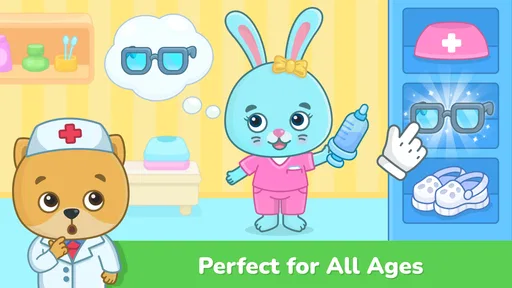
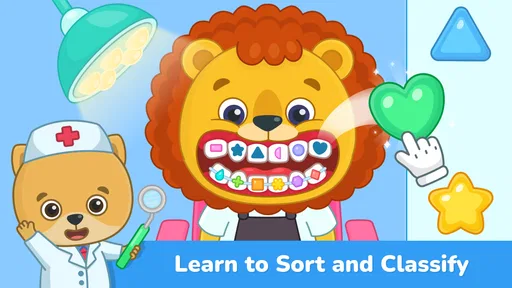
Right off the bat, the app opens up to a colorful, animated world that immediately grabs the attention of the kiddos. The interface is super intuitive, which is a big plus because, let's face it, no one wants to spend hours explaining how to use an app to a toddler. The graphics are vibrant and engaging, making the kids feel like they've stepped into a playful cartoon world where they are the doctors in charge.
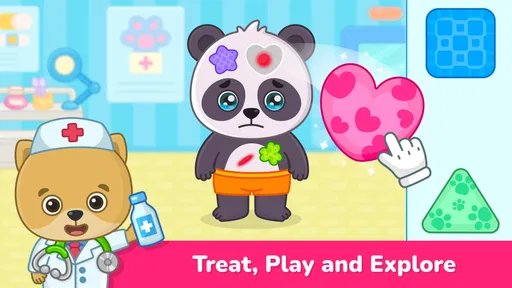
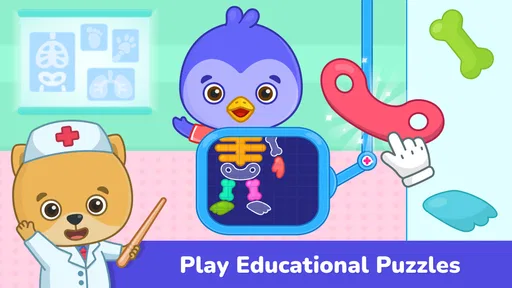
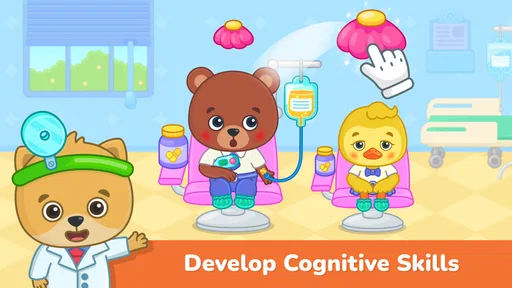
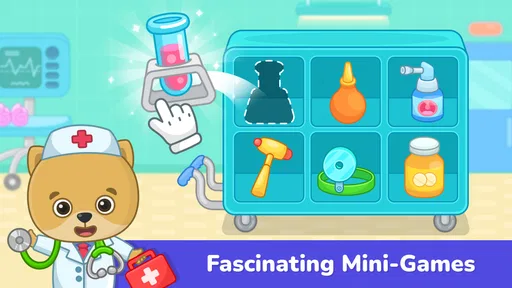
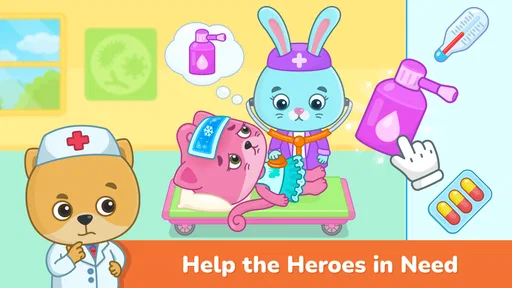
The app features a variety of mini-games and activities that revolve around the theme of being a doctor. Little ones get to perform tasks like treating patients, bandaging wounds, and even conducting mini surgeries, all in a very kid-friendly, non-scary way. It's perfect for sparking an interest in the medical field while also teaching empathy and care for others.
Engaging Mini-Games
What I love most are the mini-games. There’s a wide range that caters to different interests and learning objectives. For example, the "Dentist Adventure" game teaches kids about dental hygiene, while "Emergency Room" introduces them to basic first-aid concepts. My personal favorite has to be the "Vet Clinic" where kids can treat their furry friends! It's adorable and educational.
Each game is short and sweet, making it perfect for the attention span of young children. Plus, the app rewards the kids with cute stickers and badges for completing tasks, which is a great way to encourage them to keep playing and learning.
Safe and Kid-Friendly
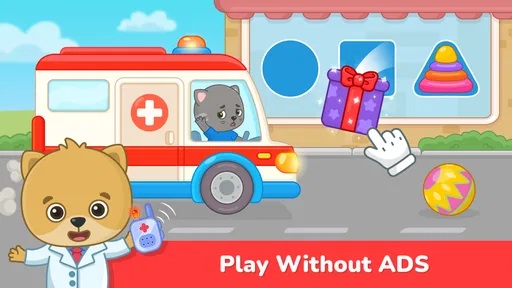
One of my primary concerns with children's apps is safety, and I'm happy to report that Kids Doctor Games 2-5 Year Old prioritizes this. The app is ad-free, which means no unexpected pop-ups that could lead your child to unsafe content. This is a huge relief, as it allows the kids to play uninterrupted and keeps my mind at ease.
Additionally, there's no in-app purchasing, so you don't have to worry about any surprise charges popping up on your credit card. The developers have clearly thought about the parents' peace of mind here, and I appreciate that.
Developmental Benefits
Beyond the immediate fun, this app offers developmental benefits that are hard to ignore. Kids are not only honing their fine motor skills by tapping and dragging, but they're also learning problem-solving and critical thinking skills. Each mini-game requires them to think about what the patient needs and how to go about it, which is fantastic for their cognitive development.
Moreover, the app encourages creativity and role-playing. As kids pretend to be doctors, they learn to empathize with their patients (whether human or animal), fostering a sense of responsibility and kindness.
Final Thoughts
In conclusion, Kids Doctor Games 2-5 Year Old is a gem of an app. It's educational, safe, and incredibly fun for young children. Whether you're looking to keep your little one busy during a long car ride or just need a break while they engage in something constructive, this app is a fantastic choice. It's definitely worth downloading if you want something that combines play with learning.
So, if you're ready to let your kids dive into a world of playful learning and imaginative play, give this app a try. It's one of those rare finds that both kids and parents can enjoy together!
Choosing a good moment to play
I would treat the short activities as small invitations to play, rather than assuming they will hold a child through a whole meal, trip, or waiting-room visit. A practical routine is to offer one brief turn after a real-world conversation about caring for someone, then put the device away while the idea is still pleasant. That works especially well if a child has just visited a doctor and wants to reenact the experience in a gentler, pretend setting. If the visit was stressful, though, I would let the child decide whether the game feels comforting or too close to what happened.
For siblings, taking turns being the “doctor” and narrating what the patient needs can make the screen activity more social. I would avoid turning that into a competition over who finishes faster; the value here is imaginative attention, not speed. A child who is still developing precise tapping may also benefit from an adult helping with the device while leaving the pretend decisions to them. That division keeps a tricky gesture from becoming the whole experience.
What parents should weigh before choosing it
The game’s educational angle is specific rather than broad. It can give a child a playful way to think about treatment and care, but it is not the best choice if your main aim is letter recognition, counting practice, or a carefully staged lesson plan. In that case, a focused preschool learning app may be a better fit. Likewise, a physical doctor kit can be preferable when you want movement, shared pretend play, or a break from screens. I see this title as a convenient supplement to those options, not a replacement for them.
There is also a useful distinction between a friendly medical theme and real health guidance. Children may notice the words and actions associated with dentists, emergency rooms, or first aid, but I would not use the game to explain what to do in a real emergency. For that, an adult’s clear explanation and appropriate professional guidance matter. The game is better suited to questions like “How can we help someone feel cared for?” than “What treatment should someone receive?”
Parents often want to know whether the activity can be left entirely to a child. The simple interface and young age range make independent exploration plausible for some children, but I would still check in, especially at first. The game’s theme can prompt questions, and a quick conversation helps you understand whether the child is enjoying the pretend role or feeling uneasy. I would also review the purchase choices with an adult before handing over a device, since the game includes optional items that cost $4.99 each. Free access gives families a low-commitment way to judge the fit, but it does not mean every available element is included without purchase.
Who is most likely to enjoy it
I can see this being a good match for preschoolers who already like caring for dolls, stuffed animals, or family members in pretend play. It may also suit a child who is curious about a clinic visit and benefits from seeing a medical setting framed as playful rather than intimidating. The developer has built a game for a young audience, and its 4.3 average from around 6,000 ratings, alongside more than 500,000 installs, suggests that many families have tried it. I treat those figures as signs of reach, not proof that every child will respond the same way.
By contrast, I would skip it for a child who is currently distressed by doctors, or for a parent who wants a no-screen activity with open-ended movement. It may also be less satisfying for children who have outgrown simple guided play and want complex strategy or a longer story. The right choice depends less on the label “educational” than on whether your child likes the idea of helping a patient and can enjoy a short, guided activity.
My overall recommendation is measured: this is a friendly option for a brief round of pretend care, especially when an adult is willing to join the conversation rather than treating the game as a babysitter. The game is free, developed by Bimi Boo Kids Learning Games for Toddlers FZ-LLC, and was released on December 12, 2024. If your child enjoys doctor role-play, I would try it and see how they respond; if they would rather build a scene with toys or practice a specific school skill, another activity will serve them better.
Pros
- Engaging and colorful graphics.
- Simple controls for young kids.
- Educational and entertaining.
- No third-party ads.
- Variety of mini-games included.
Cons
- Limited content in free version.
- In-app purchases can be pricey.
- Requires constant internet access.
- Some games are repetitive.
- Lack of parental controls.
FAQs for Kids doctor games 2-5 year old
What age group is Kids Doctor Games 2-5 Year Old designed for?
Kids Doctor Games 2-5 Year Old is specifically designed for young children aged 2 to 5 years. The app features engaging and educational content tailored to the developmental needs and interests of toddlers and preschoolers, helping them learn about basic medical concepts in a fun and interactive way.
Is Kids Doctor Games 2-5 Year Old safe for my child to use?
Yes, the app is designed with child safety in mind. It contains no third-party ads and ensures a secure environment for children to explore. Parental controls are also available to monitor usage and customize settings, ensuring a safe and enjoyable experience for your child.
What educational benefits does the app offer?
Kids Doctor Games 2-5 Year Old offers various educational benefits, including the development of fine motor skills, problem-solving abilities, and basic medical knowledge. Through interactive play, children learn about different medical tools, body parts, and the importance of health and hygiene, fostering early learning in a playful context.
Does the app require an internet connection to function?
No, Kids Doctor Games 2-5 Year Old does not require an internet connection to function. Once downloaded, all features are accessible offline, making it convenient for on-the-go entertainment without worrying about data usage or connectivity issues.
Are there in-app purchases in Kids Doctor Games 2-5 Year Old?
The app may offer optional in-app purchases to unlock additional content or features. However, these are clearly marked, and parental controls can be set up to prevent unintended purchases. This allows parents to decide whether to enhance the app's content according to their preferences and budget.


